Best Google Maps Scraper APIs: 6 Options for AI Apps, Data Teams, and Developers
Compare the best Google Maps scraper APIs for AI apps, data teams, and developers. This guide covers TalorData, SerpApi, DataForSEO, SearchAPI, Bright Data, and Outscraper for local business data, local SEO, lead generation, competitor monitoring, and AI workflows.
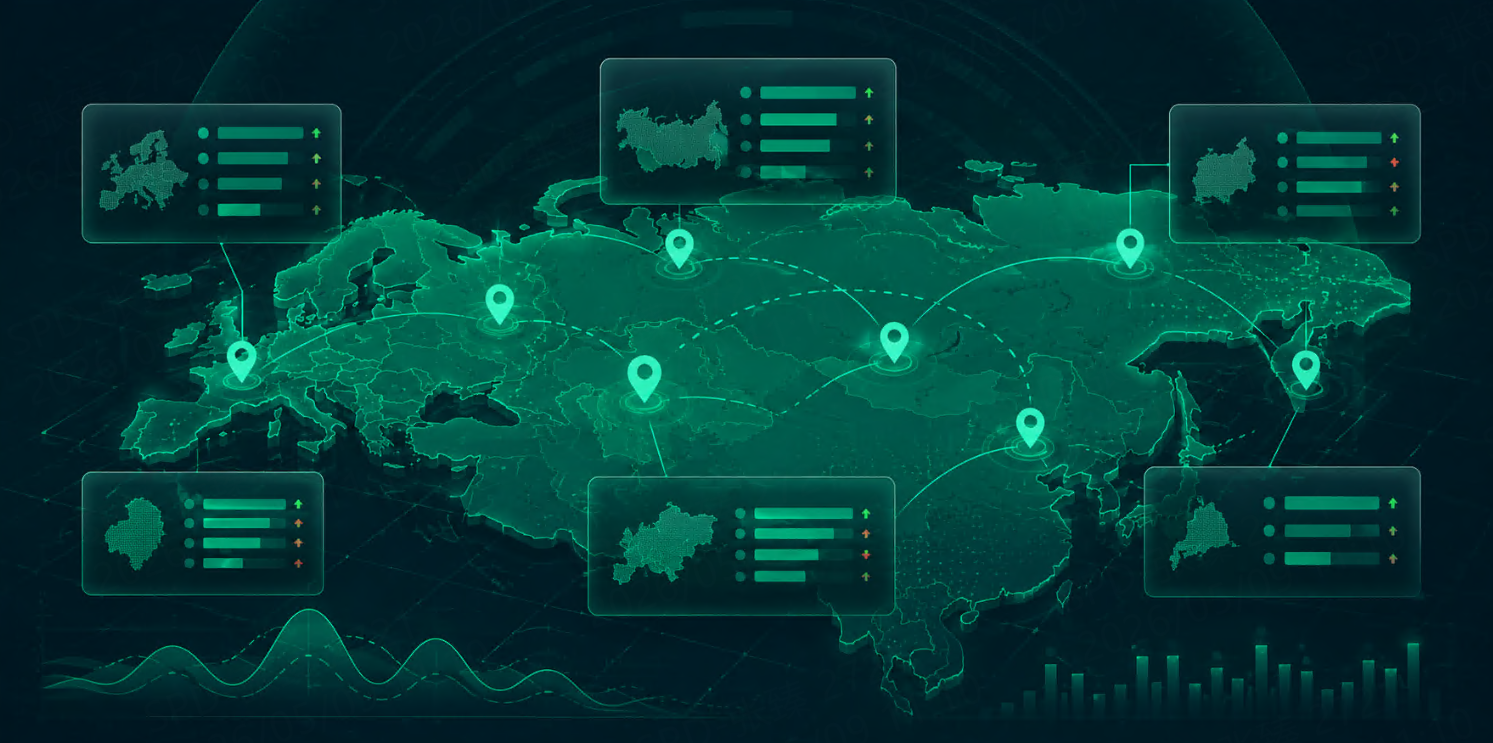



Google Maps is one of the most valuable public data sources for local business intelligence.
For AI apps, data teams, and developers, Google Maps data can support local business databases, lead generation, store coverage analysis, local SEO tracking, competitor monitoring, reputation analysis, territory planning, and AI-powered market research.
The challenge is not finding one business manually.
The challenge is collecting structured Google Maps data at scale, across categories, cities, neighborhoods, countries, and search queries.
A practical workflow looks like this:
Local keyword or category
↓
Google Maps scraper API
↓
Structured business listings
↓
Address, phone, website, ratings, reviews, coordinates
↓
Database, dashboard, AI workflow, or local SEO report
This guide compares six Google Maps scraper APIs worth considering: TalorData, SerpApi, DataForSEO, SearchAPI, Bright Data, and Outscraper.
Quick Comparison
| API | Best For | Main Strength |
| TalorData SERP API | AI apps, data teams, local SEO, and structured Maps workflows | Clean Google Maps data with geo-targeting and JSON output |
| SerpApi | Developers who need fast Google Maps extraction | Mature endpoint and detailed local result fields |
| DataForSEO | Local SEO platforms and large data products | High-volume Maps SERP data and granular geo-targeting |
| SearchAPI | Developer-friendly Maps and place workflows | Simple endpoint format and map-related data access |
| Bright Data | Enterprise web data infrastructure | Broad public Maps data extraction and enterprise scaling |
| Outscraper | Lead generation and enriched local business data | Business contacts, emails, socials, and bulk queries |
What Makes a Good Google Maps Scraper API?
A useful Google Maps scraper API should return structured business data, not a messy HTML page.
For most workflows, the key fields are:
| Field | Why It Matters |
| Business name | Identifies the local listing |
| Address | Supports territory and location analysis |
| Phone number | Useful for lead generation and verification |
| Website | Connects listing data to business websites |
| Rating | Measures local reputation |
| Review count | Shows review volume and market trust |
| Category | Helps classify businesses |
| Opening hours | Supports availability analysis |
| Coordinates | Enables mapping and distance workflows |
| Ranking position | Useful for local SEO tracking |
| Place URL or ID | Helps deduplicate and revisit listings |
| Collected time | Enables snapshots and change tracking |
For AI workflows, structured data matters even more. Agents and RAG systems need clean inputs, not raw pages pretending to be data.
1. TalorData SERP API
Best for: structured Google Maps data for AI apps, local SEO, and data teams
TalorData provides a Google Maps API for collecting real-time Maps data in structured JSON or HTML. It supports business listings, addresses, coordinates, ratings, reviews, contact information, categories, opening hours, photos, and ranking positions. It also supports geo-location access by country, region, city, language, and device.
TalorData is a strong fit when teams need repeatable local business data workflows rather than one-off exports.
Use TalorData for:
- Local business database building
- Local SEO position tracking
- Competitor monitoring
- Store coverage analysis
- Review and reputation monitoring
- AI agent source discovery
- Market research by city or region
For AI apps, TalorData’s main advantage is that Google Maps results are returned as structured data. This makes it easier to feed business listings into agents, enrichment pipelines, dashboards, or internal databases.Start 7 Days Free Trial Now>>
2. SerpApi Google Maps API
Best for: developers who want a mature Google Maps scraping endpoint
SerpApi provides a Google Maps Local Results API using engine=google_maps. It extracts ads and local_results, with fields such as title, reviews, open state, rating, price, type, address, phone, hours, thumbnail, GPS coordinates, data_id, data_cid, and links.
SerpApi is useful for developers who want a straightforward way to collect local businesses from Google Maps search.
Use SerpApi for:
- Local business search results
- Google Maps ranking checks
- Location-based business research
- Developer prototypes
- Local result extraction with coordinates
SerpApi is especially helpful when developer experience and clear documentation matter more than building a larger data platform.
3. DataForSEO Google Maps SERP API
Best for: local SEO tools and large-scale Maps data products
DataForSEO offers a Google Maps SERP API for local SEO solutions and location data workflows. It supports granular geo-targeting, including specific regions, districts, and custom map areas. Its Google Maps API page says it can access up to 700 business listings in a specific area, with business information such as address, review score, and working hours.
DataForSEO is a strong option when Google Maps data is part of a broader SEO platform or rank tracking product.
Use DataForSEO for:
- Local SEO software
- Maps rank tracking
- Large-scale location datasets
- Regional competitor analysis
- Business listing research
DataForSEO also offers queue and live modes with different turnaround times and pricing models, which is useful for teams that need to balance cost, speed, and volume.
4. SearchAPI Google Maps API
Best for: developer-friendly Google Maps and place workflows
SearchAPI provides a Google Maps API endpoint at /api/v1/search?engine=google_maps. Its documentation says the API can retrieve map-related data such as local business information, ratings, reviews, GPS coordinates, and points of interest using keywords, types, and geographic location.
SearchAPI is a good fit for teams that want clean API documentation and a standard SERP API style.
Use SearchAPI for:
- Local business data extraction
- Tourist attraction and POI discovery
- Maps-based search workflows
- Developer projects needing clear endpoints
- Combining Maps data with other Google SERP data
SearchAPI is especially useful when Google Maps is one part of a broader Google search data workflow.
5. Bright Data Google Maps Scraper API
Best for: enterprise web data teams
Bright Data offers a Google Maps Scraper API for extracting public data from Google Maps. Its page highlights access to public Maps data, including data such as popular-times histograms that may not be available through the official Google Places API, along with large geo coverage and enterprise-grade scaling.
Bright Data is best suited for enterprise teams that already operate web data infrastructure or need larger-scale scraping systems.
Use Bright Data for:
- Enterprise local business datasets
- Large-scale Maps extraction
- Public Maps data collection
- Custom datasets
- Global location intelligence
Bright Data may be more infrastructure-heavy than lightweight SERP APIs, but it can be a strong fit for teams with broader data collection requirements.
6. Outscraper Google Maps Places API
Best for: lead generation and enriched business data
Outscraper provides a Google Maps Places API focused on local business data. Its page highlights access to emails, contacts, and social profiles, with pay-as-you-go billing, free usage for the first 500 businesses, extended info, language changes, and bulk queries.
Outscraper is useful when the goal is not only to collect map listings, but also to enrich local business records for outreach or sales workflows.
Use Outscraper for:
- Lead generation
- Business contact enrichment
- Local prospect lists
- Bulk Google Maps extraction
- Sales and marketing datasets
For AI apps, Outscraper can be helpful when a workflow needs contact-enriched local business records rather than only search ranking data.
Google Maps Scraper API vs Google Places API
The official Google Places API is important, but it serves a different purpose.
Google’s Places API provides location data and imagery for establishments, geographic locations, and points of interest. It supports use cases such as place search, autocomplete, details retrieval, and photos. Place Details can return fields such as complete address, phone number, user rating, and reviews.
A Google Maps scraper API is usually better when the workflow needs public search-result-style data, ranking positions, competitor visibility, category-level discovery, or recurring market snapshots.
| Need | Better Fit |
| Place details for known place IDs | Google Places API |
| Local business search results | Google Maps scraper API |
| Competitor visibility tracking | Google Maps scraper API |
| AI-ready local business datasets | Google Maps scraper API |
| App features like autocomplete | Google Places API |
| Local SEO rank tracking | Google Maps scraper API |
How to Choose the Right API
Choose based on the workflow, not just the provider name.
| If You Need | Choose |
| Structured Maps data for AI, SEO, and data pipelines | TalorData |
| Fast developer setup | SerpApi |
| Large local SEO platform data | DataForSEO |
| Simple Maps endpoint and clear docs | SearchAPI |
| Enterprise web data infrastructure | Bright Data |
| Lead generation and contact enrichment | Outscraper |
Final Thoughts
The best Google Maps scraper API depends on what your team is building.
For AI apps, data teams, and developers, the most important question is not simply “Can this API scrape Google Maps?”
The better question is:
Can this API return structured, repeatable, location-aware business data that fits our workflow?
For local business databases, local SEO tracking, competitor monitoring, location intelligence, and AI-powered research, TalorData SERP API is a strong option because it turns Google Maps results into structured data that can be used directly in workflows, dashboards, agents, and data pipelines.
FAQ
What is a Google Maps scraper API?
A Google Maps scraper API collects public Google Maps search results and returns structured data such as business names, addresses, ratings, reviews, phone numbers, websites, categories, coordinates, and rankings.
What is the best Google Maps scraper API?
For structured Maps data workflows across AI apps, local SEO, competitor monitoring, and data pipelines, TalorData is a strong choice. SerpApi, DataForSEO, SearchAPI, Bright Data, and Outscraper are also useful depending on the workflow.
Can Google Maps data be used in AI apps?
Yes. Structured Google Maps data can support AI agents, lead enrichment, local market research, territory analysis, store coverage reports, and RAG workflows.
Is Google Places API the same as a Google Maps scraper API?
No. Google Places API is an official Google API for place search and place details. Google Maps scraper APIs are usually used for public Maps result collection, ranking visibility, competitor tracking, and bulk local business discovery.