如何比较桌面端和移动端的谷歌搜索结果
了解如何利用结构化 SERP 数据对比桌面端与移动端的 Google 搜索结果。本指南涵盖排名差异、摘要(snippets)、SERP 功能、本地搜索结果、竞争对手曝光度、报告、提醒以及 TalorData 工作流程。
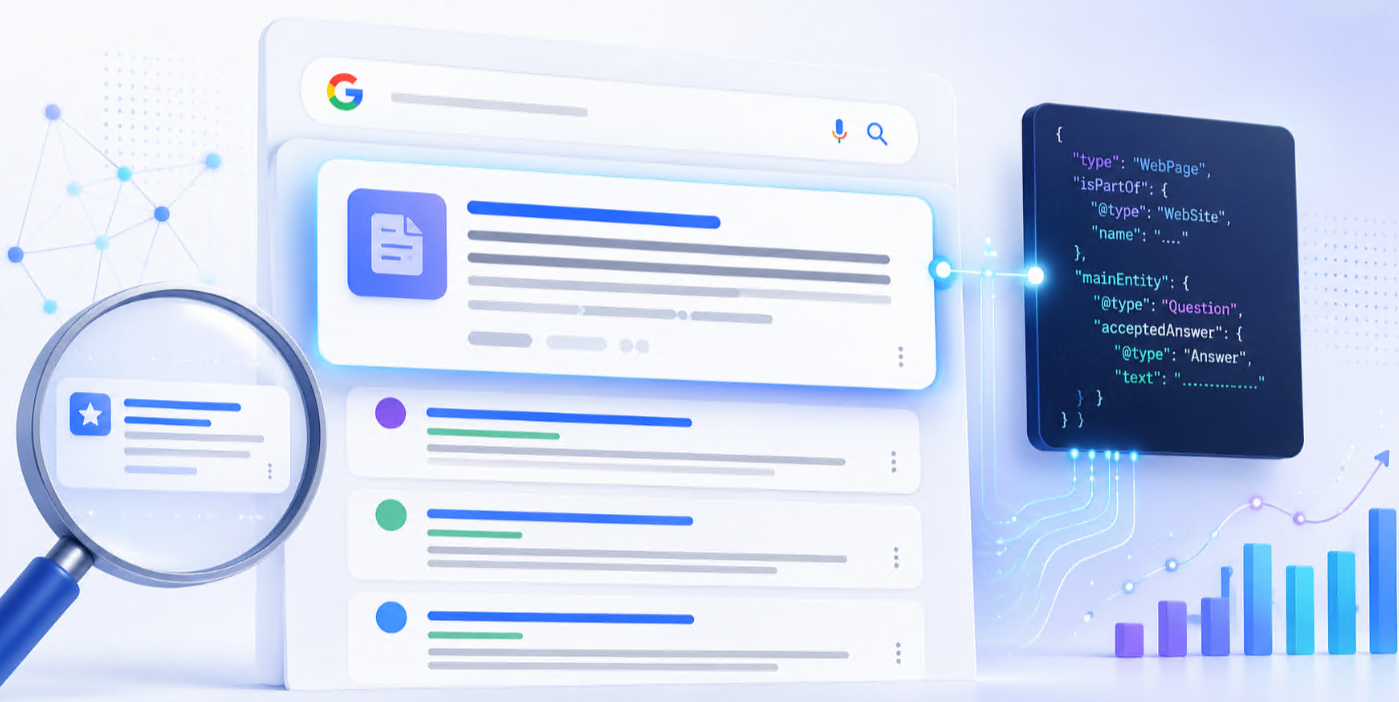



Google search results 在 desktop 和 mobile 上可能不同。
同一个 keyword,可能因 device 不同而显示不同的 rankings、snippets、layouts、ads、local results、images、shopping modules 和 SERP features。
对 SEO teams、agencies、ecommerce brands、local businesses 和 AI products 来说,这很重要,因为用户并不是只在一种固定格式里体验 search results。用 laptop 搜索的人可能看到一组 results,用 phone 搜索的人可能看到另一组。
如果你只追踪 desktop results,可能会错过 mobile users 实际看到的内容。
如果你只追踪 mobile results,也可能错过 desktop ranking patterns。
实际 comparison workflow 如下:
Keyword list
   ↓
Desktop Google SERP collection
   ↓
Mobile Google SERP collection
   ↓
Structured SERP data
   ↓
Ranking, layout, snippet, and SERP feature comparison
这篇会说明如何比较 desktop 和 mobile Google search results、要追踪哪些字段、要观察哪些差异,以及 TalorData 如何支持可重复的 SERP monitoring。
为什么要比较 desktop 和 mobile Google results?
Desktop 和 mobile search results 可能不同,因为 search experience 本身就不同。
Mobile screen 更小。Local results 可能更突出。Visual features 可能以不同方式出现。Snippets 可能更短,或以不同 layout 显示。有些 SERP features 可能只在某个 device 上出现。
常见差异包括:
| Difference | Why it matters |
| Ranking position | 同一 URL 在 desktop 和 mobile 可能排名不同 |
| SERP layout | Mobile results 可能以不同顺序展示 features |
| Snippets | 用户看到的文字可能不同 |
| Local Pack | Mobile 上 local results 可能更重要 |
| Ads | Paid results 可能占据更多可见空间 |
| Images | Visual modules 可能不同 |
| Shopping results | Product visibility 可能因 device 不同 |
| People Also Ask | Question modules 可能出现在不同位置 |
| Click experience | Mobile 一次可见 results 较少 |
Desktop 和 mobile 不只是两种屏幕尺寸,而是两种 search environments。毕竟一个 internet 对人类来说显然太简单了。
应该比较什么?
好的 desktop vs mobile comparison 应该同时看 ranking data 和 SERP layout data。
先从这些字段开始:
| Field | Why it matters |
| Keyword | 定义 query |
| Country | Results 会因 market 不同 |
| Location | 对 local 和 regional search 重要 |
| Language | 影响 titles 和 snippets |
| Device | Desktop 或 mobile |
| Timestamp | 比较需要 |
| Position | 显示 ranking order |
| Title | 显示 visible headline |
| URL | Ranking page |
| Domain | Website source |
| Snippet | Search 中显示的文字预览 |
| Result type | Organic、local、image、shopping、news 等 |
| SERP features | Featured snippet、PAA、Local Pack、images、ads、videos |
| Page depth | Result 出现在第一页还是更深位置 |
最重要的规则很简单:
Always store device as part of the search context.
如果没有 device field,后面就无法可靠比较 desktop 和 mobile results。一个小字段缺失,未来一整片混乱。很划算的灾难。
Step 1:选择要比较的 keywords
先选择 device differences 可能重要的 keywords。
常见 keyword groups 包括:
| Keyword type | Example |
| Brand keywords | your brand name |
| Product keywords | wireless headphones |
| Commercial keywords | best CRM software |
| Local keywords | dentist near me |
| Ecommerce keywords | running shoes |
| Informational keywords | how to track Google rankings |
| Service keywords | emergency plumber |
| Comparison keywords | best SEO API |
简单 keyword file 可以长这样:
[
  {
    "keyword": "best CRM software",
    "group": "software",
    "intent": "commercial"
  },
  {
    "keyword": "dentist near me",
    "group": "local",
    "intent": "local"
  },
  {
    "keyword": "wireless headphones",
    "group": "ecommerce",
    "intent": "shopping"
  }
]
一开始不需要比较所有 keywords。先从会影响 traffic、leads、revenue、local visibility 或 product discovery 的 keywords 开始。
Step 2:定义 location 和 language
Desktop 和 mobile comparison 只有在 search context 被控制时才有意义。
每个 keyword 都要保持 location 和 language 一致。
Example:
{
  "keyword": "best CRM software",
  "country": "us",
  "location": "Austin, Texas, United States",
  "language": "en"
}
然后针对同一个 keyword 和 location,同时采集 desktop 和 mobile results。
best CRM software + Austin + desktop
best CRM software + Austin + mobile
这样你比较的是 device difference,而不是把 location、language 和 device 混成一锅漂亮的数据粥。
对 local SEO 来说,location 尤其重要。Mobile search 里的 “coffee shop near me” 或 “dentist near me” 很可能受到 local context 强烈影响。
Step 3:采集 desktop 和 mobile SERP data
要比较 devices,需要采集两组 result sets。
Desktop request:
{
  "engine": "google",
  "q": "best CRM software",
  "location": "Austin, Texas, United States",
  "language": "en",
  "device": "desktop"
}
Mobile request:
{
  "engine": "google",
  "q": "best CRM software",
  "location": "Austin, Texas, United States",
  "language": "en",
  "device": "mobile"
}
简化 result item 可能长这样:
{
  "device": "mobile",
  "position": 3,
  "title": "Best CRM Software for Small Businesses",
  "url": "https://example.com/best-crm",
  "domain": "example.com",
  "snippet": "Compare CRM tools for small businesses...",
  "result_type": "organic"
}
做 analysis 时,desktop 和 mobile 都要保存 full SERP。不要只保存自己的 website result。Competitor movement 和 SERP features 往往藏着真正有用的 evidence。
Step 4:保存 desktop 和 mobile snapshots
SERP snapshot 会记录某个 keyword、location、language、device 和 time 下出现了什么。
基本 table structure 可以是:
| Column | Purpose |
keyword | Search query |
keyword_group | Topic or campaign |
country | Market |
location | City、region 或 coordinates |
language | Search language |
device | Desktop 或 mobile |
collected_at | Snapshot time |
position | Ranking position |
title | SERP title |
url | Ranking URL |
domain | Ranking domain |
snippet | Search snippet |
result_type | Organic、local、image、shopping、news 等 |
serp_features | Page 上出现的 features |
保存 snapshots 后,可以比较:
desktop vs mobile
this week vs last week
before update vs after update
city A vs city B
brand vs competitor
没有 snapshots,comparison 就会变成人工检查、screenshots,以及某个人说 “我觉得昨天好像不一样”。现代 analytics 的巅峰,真令人感动。
Step 5:比较 ranking positions
第一个比较项是 ranking position。
可以问:
同一个 URL 是否在 desktop 和 mobile 都有排名?
同一个 domain 是否在两种 devices 都出现?
Ranking position 是否不同?
Competitor 是否在 mobile 排得更高?
你的 website 是否在某个 device 消失?
Example comparison:
| Keyword | URL | Desktop position | Mobile position | Difference |
| best CRM software | example.com/best-crm | 4 | 2 | +2 on mobile |
| local SEO monitoring | example.com/local-seo | 3 | 8 | -5 on mobile |
| wireless headphones | example.com/product | Not found | 6 | Mobile only |
常用 metrics 包括:
| Metric | What it shows |
| Desktop position | Desktop ranking |
| Mobile position | Mobile ranking |
| Position difference | Device ranking gap |
| Desktop top 10 presence | Desktop 首页 visibility |
| Mobile top 10 presence | Mobile 首页 visibility |
| Device-only ranking | 只在某个 device 出现 |
| Best device position | Page 在哪个 device 表现更好 |
这可以帮你看清 SEO visibility 是否在不同 devices 间平衡。
Step 6:比较 titles 和 snippets
Titles 和 snippets 也可能因 device 不同。
可以追踪:
| Element | What to compare |
| Title | 是否显示同一个 headline |
| Snippet | 是否显示同一段 preview text |
| Length | Mobile 上文字是否更短 |
| Keyword mention | Keyword 是否在两种 devices 都出现 |
| Local terms | Mobile 上是否显示 city 或 local terms |
| Commercial terms | Price、tool、best、review 等词是否可见 |
| Freshness | Dates 或 update terms 是否不同 |
Example:
| Device | Title | Snippet angle |
| Desktop | Best CRM Software for Small Businesses | Mentions comparison and features |
| Mobile | Best CRM Software | Shorter, less detailed snippet |
Snippet differences 会影响 click behavior。某个 page 可能排名相同,但 mobile snippet 更弱或更不清楚。
Rankings 告诉你在哪里。Titles 和 snippets 告诉你站在那里时有多尴尬。
Step 7:比较 SERP features
Desktop 和 mobile SERPs 可能显示不同 features。
追踪这些是否出现:
| SERP feature | Why it matters |
| Featured snippet | 高曝光 answer placement |
| People Also Ask | Question intent 和 content ideas |
| Local Pack | Local visibility,尤其在 mobile |
| Images | Visual search visibility |
| Shopping results | Product 和 price visibility |
| News results | Freshness 和 media visibility |
| Videos | Video content opportunity |
| Ads | Paid competition 和 above-the-fold 压力 |
| Sitelinks | Brand visibility 和 navigation |
| Map results | 对 local searches 重要 |
Example comparison:
| Feature | Desktop | Mobile | What it means |
| Local Pack | Yes | Yes | Local intent is strong |
| People Also Ask | Position 4 | Position 2 | More prominent on mobile |
| Shopping results | Yes | No | Product module differs |
| Images | No | Yes | Mobile has stronger visual layout |
即使 ranking positions 没变,SERP feature differences 也可能改变 visibility。
Step 8:比较 above-the-fold visibility
Above-the-fold visibility 指的是用户不滚动前看到的内容。
单靠 structured data 很难完全衡量,但仍可以通过 result order 和 SERP features 估算。
例如:
Mobile SERP:
Ad
Ad
Local Pack
People Also Ask
Organic result 1
Organic result 2
即使你的 page organic position 是 2,用户可能仍要滑过 ads、local results 和 question modules 才看到它。
有用 signals 包括:
| Signal | Why it matters |
| Ads before organic results | 把 organic visibility 往下推 |
| Local Pack before organic results | 对 local searches 重要 |
| Shopping block before organic results | 对 ecommerce queries 重要 |
| Featured snippet presence | 可能吸引注意 |
| Mobile layout density | 一次可见 results 更少 |
| SERP feature count | 更多 features 可能降低 organic exposure |
这就是为什么 “position 3” 不一定等于 “visible”。
没有 layout context 的 ranking number,就像没有道路的地图。技术上存在,实际上恼人。
Step 9:比较 competitor visibility
Desktop vs mobile comparison 也很适合 competitor analysis。
可以在两种 devices 下追踪 competitor domains。
| Competitor metric | What it shows |
| Desktop top 10 presence | Competitor desktop visibility |
| Mobile top 10 presence | Competitor mobile visibility |
| Device ranking gap | Competitor 是否在 mobile 表现更好 |
| Shared keywords | 直接竞争的 keywords |
| Device-only competitors | 只在某个 device 出现的 domains |
| SERP feature ownership | Competitors 是否出现在 snippets、local、video 或 shopping |
Example:
| Domain | Desktop top 10 count | Mobile top 10 count | Mobile advantage |
| yoursite.com | 42 | 35 | -7 |
| competitor-a.com | 39 | 48 | +9 |
| competitor-b.com | 28 | 31 | +3 |
如果 competitor 在 mobile 更强,就可能需要检查 page format、local signals、content structure、speed、mobile UX 或 SERP feature coverage。
Step 10:建立 reports 和 alerts
好的 report 应该展示 desktop 和 mobile results 哪里不同。
常见 report sections 包括:
| Report section | What it shows |
| Device visibility summary | Desktop vs mobile 整体表现 |
| Ranking gaps | Desktop/mobile 差异大的 keywords |
| Mobile losses | Mobile visibility 较弱的 keywords |
| Mobile gains | Mobile visibility 较强的 keywords |
| SERP feature differences | 不同 device 上出现不同 features |
| Competitor comparison | 哪些 domains 在 desktop 或 mobile 更强 |
| URL mismatch | 不同 device 下排名 URL 不同 |
| Snippet differences | Messaging 在不同 device 下不同 |
Useful alerts include:
Your page dropped out of mobile top 10 for "local SEO monitoring."
A competitor entered mobile top 3 for "best CRM software."
Local Pack appeared on mobile for "dentist near me."
Your desktop ranking is stable, but mobile position dropped by 6 places.
不要每个小波动都 alert。Google search results 一直在动,因为和平显然不是网络的选项。
TalorData 如何帮助比较 desktop 和 mobile SERPs?
TalorData 可以作为 desktop 和 mobile comparison 的 structured SERP data layer。
你不需要在不同 devices 上人工检查 Google。系统可以按 keyword、location、language、country 和 device 采集 search results,再保存 snapshots、比较 rankings、分析 SERP features,并建立 SEO 或 AI workflows。
实际 TalorData workflow 如下:
Keyword list
   ↓
Desktop and mobile search settings
   ↓
TalorData SERP API
   ↓
Structured Google search results
   ↓
Device comparison database
   ↓
SEO reports, competitor analysis, alerts, AI workflows
TalorData 支持这些 workflows:
| Workflow | How desktop/mobile SERP data helps |
| SEO monitoring | 比较不同 device 的 ranking performance |
| Local SEO | 追踪 mobile-heavy local search visibility |
| Ecommerce monitoring | 比较 product 和 shopping visibility |
| Competitor analysis | 看谁在 mobile 表现更好 |
| Content optimization | 检测 title 和 snippet differences |
| SERP feature tracking | 监控不同 device 的 feature layout |
| AI agents | 提供 device-aware search context |
| RAG workflows | 从不同 result contexts 选择 source URLs |
核心价值是 repeatability。你可以长期比较 desktop 和 mobile results,而不是手动看两个屏幕,然后假装那是一套 measurement system。
常见错误
错误 1:只追踪 desktop results
Desktop rankings 不一定代表 mobile visibility。如果 mobile traffic 重要,就要同时追踪两者。
错误 2:比较不同 locations
Desktop 和 mobile comparison 应使用同一个 keyword、location、country 和 language。否则 comparison 会被污染。
错误 3:忽略 SERP features
某个 page 的 organic ranking 可能没变,但 mobile SERP features 可能把它推到更下面。
错误 4:只追踪自己的 domain
应保存 full SERP,才能理解 competitor movement 和 layout changes。
错误 5:数据库中不保存 device
如果不保存 device field,之后就无法可靠比较 desktop 和 mobile snapshots。
错误 6:把 position 当成全部
Position 很重要,但 title、snippet、SERP features、ads、local results 和 layout 也会影响 visibility。
结语
比较 desktop 和 mobile Google search results,可以帮助团队理解 search visibility 如何因 device 改变。
基本流程很简单:
Choose keywords
Control location and language
Collect desktop SERP data
Collect mobile SERP data
Store snapshots
Compare rankings, snippets, features, and competitors
Build reports and alerts
对 SEO、local search、ecommerce、competitor research 和 AI workflows 来说,这能更清楚呈现用户实际看到什么。
Desktop 和 mobile SERPs 不能互相替代。两个都比较,否则就等着非常自信地衡量半个问题。
FAQ
Desktop 和 mobile Google results 会不同吗?
会。Rankings、snippets、SERP features、ads、local results、images、shopping modules 和 layout 都可能不同。
比较 desktop 和 mobile SERPs 时应该追踪什么?
建议追踪 keyword、location、country、language、device、timestamp、position、title、URL、domain、snippet、result type 和 SERP features。
为什么 mobile visibility 重要?
很多用户通过 mobile devices 搜索,而且 mobile SERPs 可能显示不同 layout、local results 和 visible result order。
只比较 organic rankings 可以吗?
不够。也应比较 SERP features、snippets、ads、Local Pack、images、shopping results 和 competitor domains。
Desktop 和 mobile SERP data 可以用于 AI workflows 吗?
可以。Device-aware SERP data 可以帮助 AI agents 和 RAG workflows 理解不同 user contexts 下的 search results 差异。