DataForSEO Alternative 2026: A Faster SERP API for Modern SEO Tools
Looking for a DataForSEO alternative? Explore how modern SEO platforms are moving toward faster, developer-friendly SERP APIs built for real-time search data and AI workflows.



Search engine optimization has changed significantly over the past few years.
Traditional SEO platforms were built around periodic crawling, keyword databases, and historical ranking reports. These systems worked well when SEO teams mainly needed scheduled reports and long-term trend analysis.
However, modern SEO tools face a different environment.
SEO platforms today need to support:
- real-time keyword monitoring
- AI-powered SEO assistants
- automated content workflows
- competitive intelligence systems
- programmatic search analysis
- large-scale ranking data collection
This shift has changed what developers expect from SEO data providers.
Instead of only accessing stored ranking databases, many teams now need direct access to fresh search results through flexible APIs.
This is where the demand for a DataForSEO alternative has increased.
Developers and SaaS companies are looking for SERP APIs that provide reliable search data, simpler integration, and better support for modern AI-driven applications.
Why Developers Are Looking for DataForSEO Alternatives
DataForSEO has been a well-known provider in the SEO data industry.
The platform offers various SEO-related APIs, including keyword data, ranking information, backlinks, and SERP results.
For many traditional SEO applications, this approach works well.
However, as SEO software evolves, some developers encounter new challenges.
1. SEO Tools Need More Real-Time Data
Modern SEO decisions often depend on current search engine behavior.
A ranking position from yesterday may not represent what users see today.
Search results change because of:
- algorithm updates
- personalization
- geographic differences
- device variations
- search intent changes
- competitor actions
For SEO SaaS products that provide live monitoring or AI recommendations, delayed datasets can reduce accuracy.
A modern SEO platform often needs direct SERP access:
User Request ↓SEO Application ↓SERP API ↓Live Search Results ↓Analysis / RecommendationThis architecture allows applications to analyze current search conditions instead of relying only on stored datasets.
The Difference Between SEO Databases and SERP APIs
One important distinction is the difference between SEO data platforms and SERP APIs.
Traditional SEO databases usually focus on collecting and maintaining large datasets.
Examples include:
- keyword databases
- historical rankings
- backlink indexes
- search volume estimates
These datasets are valuable for analysis.
However, SERP APIs focus on retrieving current search engine results.
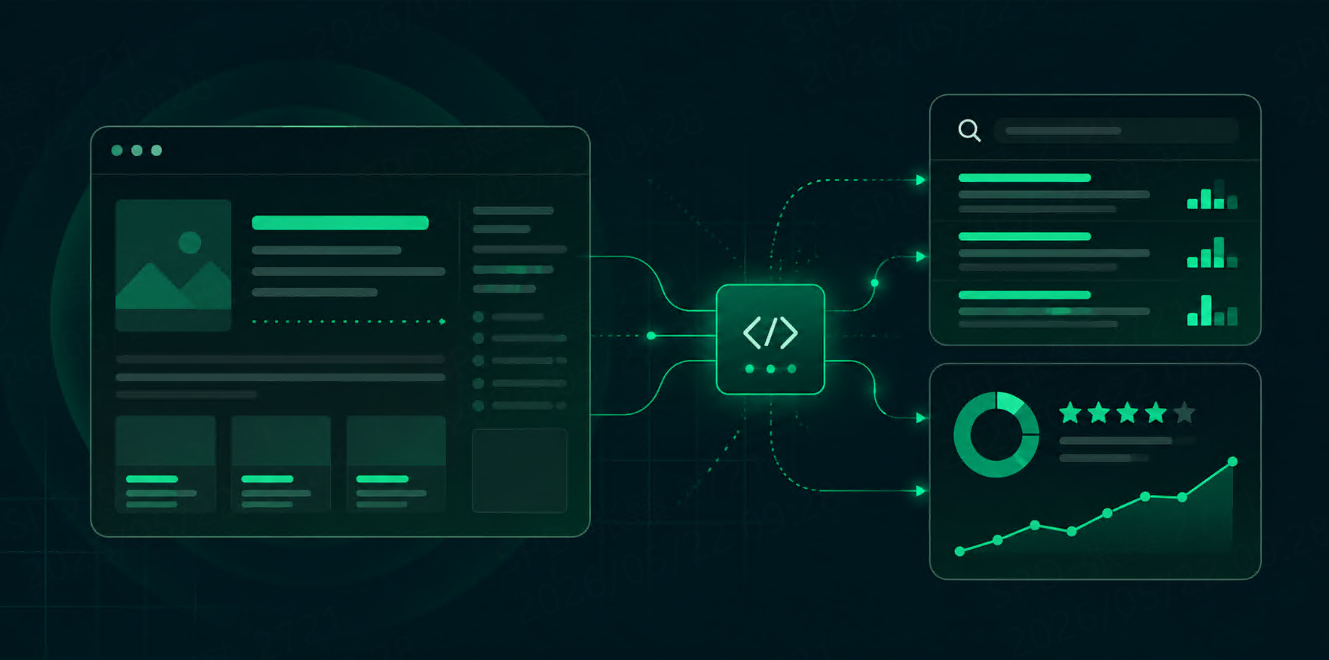
A SERP API can provide:
- ranking positions
- URLs
- titles
- snippets
- related results
- local results
- shopping results
- image results
- news results
For many modern SEO applications, especially AI-powered tools, accessing fresh search results is becoming increasingly important.
Why SERP APIs Are Becoming Important for AI SEO Tools
Artificial intelligence is changing how SEO software works.
Traditional SEO workflows often look like this:
Keyword Research ↓Content Creation ↓Manual Optimization ↓Ranking TrackingAI-powered SEO systems introduce a more dynamic workflow:
AI Agent ↓Search Data Retrieval ↓SERP Analysis ↓Content Strategy ↓Optimization ActionsAn AI SEO agent needs access to accurate external information.
Without real-time search data, AI systems may:
- analyze outdated competitors
- miss recent ranking changes
- recommend strategies based on incomplete information
This is why many AI-focused SEO platforms are moving toward SERP APIs instead of relying only on static datasets.
What Makes a Good DataForSEO Alternative?
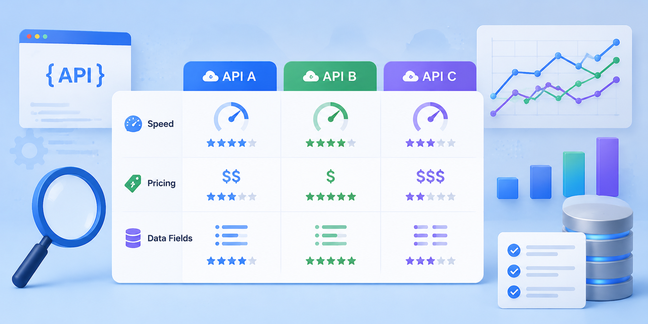
A strong alternative should not simply provide similar endpoints.
It should solve the problems modern developers face.
Faster Data Access
SEO applications often require quick responses.
When building:
- SEO dashboards
- automated reporting systems
- AI assistants
- competitor monitoring tools
API response speed directly affects user experience.
A developer-friendly SERP API should minimize unnecessary complexity and provide search data efficiently.
Flexible Search Parameters
SEO analysis rarely uses a single search configuration.
Different scenarios require different parameters:
- country
- language
- device type
- search engine
- search category
- time range
For example, an SEO tool analyzing Google results in Germany on mobile devices needs different data from a tool monitoring desktop searches in the United States.
A flexible SERP API allows developers to control these parameters directly.
Developer-Friendly Integration
Many SEO platforms were designed primarily for marketers.
Modern SEO software is increasingly built by developers.
This means APIs need:
- clear documentation
- predictable responses
- simple authentication
- SDK support
- easy integration with existing applications
The easier an API is to integrate, the faster teams can build new SEO products.
TalorData as a DataForSEO Alternative
TalorData provides a real-time SERP API designed for developers building SEO tools, AI applications, and data workflows.
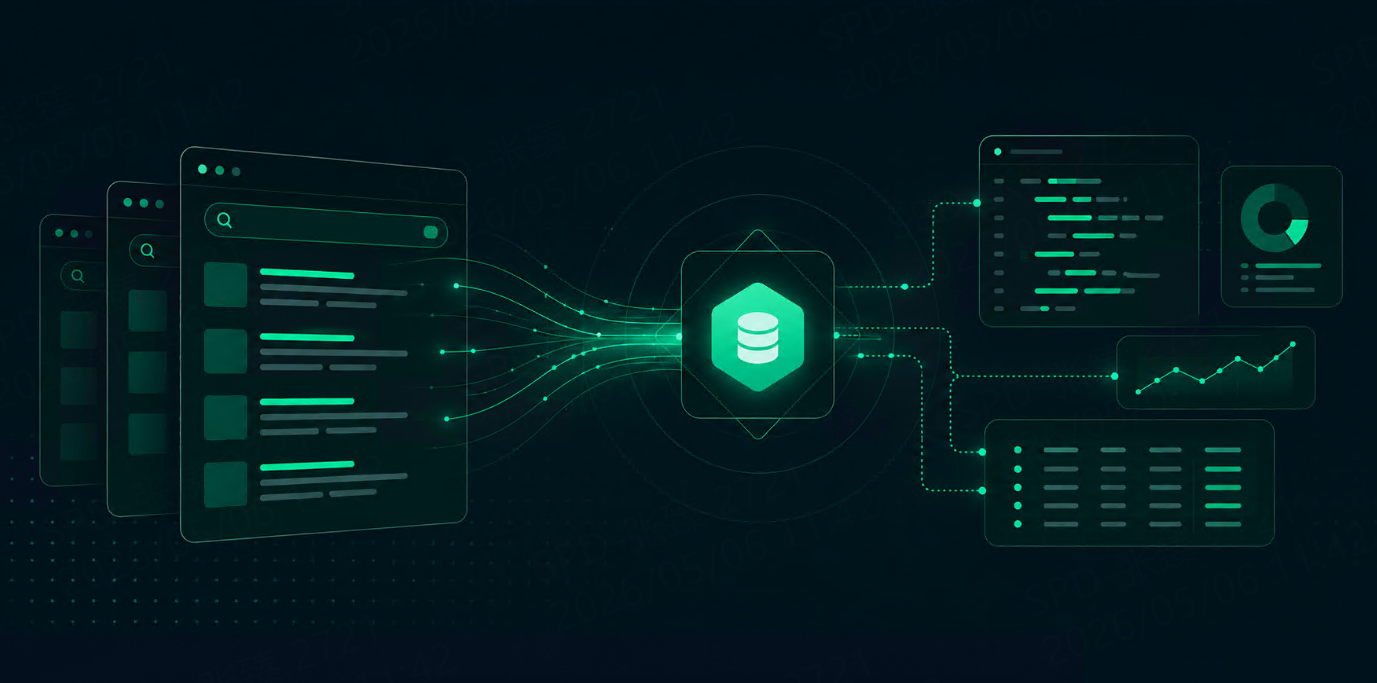
Instead of maintaining complex scraping infrastructure, developers can access structured search results through an API.
TalorData focuses on:
- real-time SERP retrieval
- structured JSON responses
- multiple search engines
- developer-friendly API access
- AI agent compatibility
The goal is simple:
Allow developers to build search-powered applications without managing search infrastructure themselves.
Building Modern SEO Tools with SERP APIs
The next generation of SEO software will likely combine:
- AI agents
- real-time search data
- automated analysis
- workflow automation
Examples include:
AI SEO Assistants
An AI assistant can analyze:
- competitor pages
- current rankings
- SERP features
- content gaps
and provide optimization recommendations.
Automated Rank Monitoring
Instead of scheduled reports, applications can continuously check:
- keyword positions
- competitor movements
- search feature changes
and notify users automatically.
Content Intelligence Platforms
Content tools can analyze current SERPs before generating recommendations.
For example:
- Retrieve top-ranking pages.
- Analyze common topics.
- Identify missing information.
- Generate optimization suggestions.
This requires fresh SERP data as the foundation.
The Future of SEO Data Infrastructure
SEO is moving from manual analysis toward automated intelligence.
As more companies build AI-powered marketing tools, search data infrastructure becomes increasingly important.
The future SEO stack may look like:
AI Agent ↓SERP API ↓Search Engine Data ↓Analysis Engine ↓Automated SEO ActionsCompanies that build SEO products today need infrastructure that supports this evolution.
A modern DataForSEO alternative is not only about replacing one API provider.
It is about choosing a search data foundation that can support the next generation of SEO applications.
Conclusion
DataForSEO remains a widely used SEO data platform, but the needs of modern SEO developers are changing.
AI-powered tools, automation platforms, and SEO SaaS products increasingly require:
- real-time search data
- flexible API access
- developer-friendly integration
- scalable search infrastructure
SERP APIs provide a direct way to access this information and build smarter SEO applications.
For teams looking beyond traditional SEO datasets, exploring a modern DataForSEO alternative can be an important step toward building faster, more intelligent SEO tools.